Selecting the right Apparel Pants range requires more than tracking seasonal fashion reports.
Global buyers must compare fabric performance, fit consistency, production capacity, and retail demand. The ten types covered here reflect common purchasing needs across wholesale, private-label, and uniform programs. They include denim jeans, chinos, cargo pants, tailored trousers, leggings, joggers, wide-leg pants, workwear pants, shorts, and thermal styles. Each category serves a different customer and use case. A cotton twill chino may suit office commuting, while reinforced cargo pants serve outdoor users. Leggings demand reliable stretch recovery, opacity, and careful seam construction. These details affect returns, reviews, and repeat orders.
Practical buying decisions also depend on size grading, colorfastness, shrinkage, packaging, and delivery schedules. Experienced sourcing teams request samples, wash tests, measurement charts, and inspection records before placing larger orders. A supplier may offer a low unit price, yet inconsistent stitching can erase the apparent saving. Buyers should verify material composition and production claims through clear documentation. Regional preferences matter too. A relaxed fit may sell well in one market but move slowly elsewhere. Even reliable forecasts can miss sudden weather shifts or changing consumer habits. That limitation deserves attention, not polished promises. This guide presents the strengths, risks, and commercial uses of ten key types. It helps buyers ask sharper questions and build a balanced pants assortment. No single style wins everywhere. Better results come from evidence, testing, and honest supplier reviews.
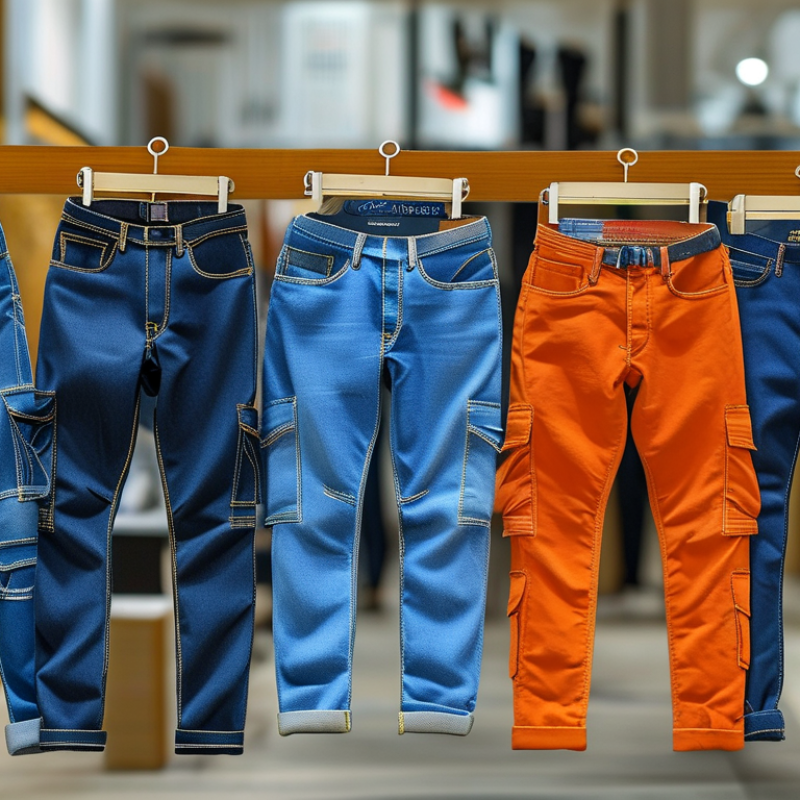
Top 10 Types of Apparel Pants Global Buyers Need
Market Scope: Ten Core Pants Categories in Global Apparel Trade (WTO, 2024)
WTO 2024 trade reporting offers a useful global backdrop, although customs codes may group styles differently. For practical sourcing, buyers can monitor ten core categories: jeans, chinos, tailored trousers, cargo pants, joggers, track pants, leggings, shorts, wide-leg trousers, and workwear pants. Each category serves different climates, lifestyles, and retail channels. Jeans remain versatile, while lightweight chinos suit warmer markets. Cargo and workwear pants need durable stitching, reinforced pockets, and dependable trims. Leggings require stretch recovery and reliable opacity. Shorts demand careful length planning across regional preferences.
Product testing matters more than a polished specification sheet. Check shrinkage after washing, colorfastness, seam strength, and pocket performance. A soft fabric can still fail at the waistband. Buyers should compare fabric weight, fiber content, grading, and size measurements before confirming production. Wide-leg silhouettes are growing, but demand can change quickly. Not every trend deserves immediate volume.
Tips: Request samples in multiple sizes and test them after laundering. Review regional sales data before choosing colors or fits. Keep a small trial order when market evidence is limited. This approach may feel slower, but it reduces costly assumptions and reveals where the product needs improvement.
| No. | Pants Category | Core Product Definition | Common Fabric Composition | Indicative HS 2022 Heading | Main Buyer Segments | Key Global Demand Drivers | Typical Sourcing Priorities |
|---|---|---|---|---|---|---|---|
| 1 | Jeans and Denim Trousers | Five-pocket or similarly constructed trousers made primarily from denim or other cotton twill fabrics. | Cotton denim; cotton with elastane; recycled cotton or recycled polyester blends. | HS 6203 or 6204 for woven trousers; classification depends on gender category and garment construction. | Mass-market apparel, private-label retailers, department stores, e-commerce sellers. | Everyday wear, broad size coverage, durable casual styling, and year-round use. | Wash consistency, colorfastness, abrasion performance, fit approval, water and chemical management. |
| 2 | Chinos and Cotton Twill Trousers | Casual or smart-casual trousers made from lightweight to medium-weight twill, generally with a clean five-pocket or slant-pocket design. | Cotton; cotton-elastane; cotton-polyester blends. | HS 6203 or 6204 for woven apparel trousers. | Lifestyle retailers, work-leisure programs, school and corporate uniform buyers. | Versatile styling, office-casual demand, moderate price points, and easy color expansion. | Fabric hand feel, shrinkage control, color range, crease resistance, and consistent measurements. |
| 3 | Dress and Tailored Trousers | Structured trousers with a tailored silhouette, waistband construction, pressed crease, or coordinated suiting application. | Wool; polyester-viscose; cotton; wool-polyester blends; elastane blends. | HS 6203 or 6204 for woven trousers; fiber and garment details affect classification. | Formalwear retailers, officewear buyers, uniform suppliers, and suiting programs. | Workwear, ceremonies, business dressing, travel tailoring, and coordinated outfit programs. | Tailoring precision, drape, seam quality, pressing, pilling resistance, and garment presentation. |
| 4 | Cargo and Utility Trousers | Functional trousers characterized by cargo pockets, utility loops, reinforced areas, or relaxed workwear-inspired construction. | Cotton twill; ripstop cotton; cotton-polyester; nylon blends. | HS 6203 or 6204 when made as woven trousers; other headings may apply to specialized garments. | Workwear, outdoor lifestyle, streetwear, tactical-inspired apparel, and utility uniform buyers. | Storage functionality, relaxed silhouettes, durability, and crossover between fashion and workwear. | Pocket load testing, bartack strength, seam durability, hardware quality, and fabric abrasion resistance. |
| 5 | Leggings and Stretch Tights | Close-fitting, stretch-based lower-body garments used for activewear, athleisure, layering, or casual wear. | Polyamide-elastane; polyester-elastane; nylon; cotton-elastane. | HS 6103 or 6104 for knitted or crocheted apparel; exact classification depends on construction and intended use. | Activewear, athleisure, yoga, dance, maternity, and intimate-apparel buyers. | Stretch comfort, body-contouring silhouettes, fitness participation, and casual lifestyle use. | Opacity, recovery, colorfastness, seam strength, moisture management, and fit across size ranges. |
| 6 | Joggers and Sweatpants | Casual knit trousers, commonly featuring an elasticated or drawstring waist, ribbed cuffs, and a relaxed fit. | Cotton fleece; cotton jersey; cotton-polyester fleece; recycled polyester. | HS 6103 or 6104 for knitted or crocheted apparel. | Casualwear, youthwear, sportswear, loungewear, and e-commerce private-label buyers. | Comfort dressing, leisurewear, travel, home working, and athleisure wardrobes. | Fabric weight, softness, pilling resistance, waistband recovery, shrinkage, and color stability. |
| 7 | Shorts | Lower-body garments ending above the ankle, including casual, sports, tailored, swim, and utility formats. | Cotton; polyester; nylon; cotton blends; elastane blends. | HS 6103 or 6104 for knitted styles; HS 6203 or 6204 for woven styles. | Summerwear, resortwear, sportswear, schoolwear, uniform, and outdoor retailers. | Warm-weather climates, seasonal collections, sports participation, tourism, and casual comfort. | Length consistency, pocket construction, waistband comfort, quick-dry performance, and color range. |
| 8 | Workwear and Protective Trousers | Industrial or occupational trousers designed for durability, task functionality, visibility, or protection when applicable. | Cotton; polyester-cotton; aramid or other performance fibers for specialized protective applications. | Often HS 6203 or 6204 for woven trousers; specialized protective garments may fall under other headings. | Industrial employers, construction, logistics, hospitality, healthcare, and safety-uniform distributors. | Occupational safety, replacement cycles, compliance requirements, and long-term garment durability. | Applicable PPE standards, tear strength, seam strength, wash durability, visibility, and traceability. |
| 9 | Outdoor and Technical Trousers | Performance trousers for hiking, trekking, travel, climbing, cycling, or other outdoor activities. | Nylon; polyester; stretch woven fabrics; laminated or coated textiles for selected weather-resistant products. | Usually HS 6203 or 6204 for woven trousers; classification can vary for specialized textile assemblies. | Outdoor, travel, sporting-goods, uniform, and performance-lifestyle buyers. | Outdoor recreation, travel mobility, lightweight packing, weather protection, and multi-use design. | Water repellency, breathability, stretch recovery, abrasion resistance, zipper performance, and seam construction. |
| 10 | Uniform and Service Trousers | Standardized trousers supplied as part of institutional, corporate, hospitality, transport, education, or public-service uniforms. | Polyester-viscose; polyester-wool; cotton-polyester; stretch suiting fabrics. | HS 6203 or 6204 for woven trousers, subject to garment composition and construction. | Schools, hotels, airlines, transport operators, healthcare, security, and corporate procurement. | Institutional procurement, employee outfitting, repeat orders, standardized appearance, and easy-care needs. | Color and size continuity, wash performance, repairability, replenishment capacity, and documentation. |
The core categories include jeans, chinos, tailored trousers, cargo pants, joggers, track pants, leggings, shorts, wide-leg trousers, and workwear pants. Local demand may change the priority.
Check denim weight, wash consistency, shrinkage, colorfastness, and seam strength. A polished sample can still fail after repeated washing.
Look for reinforced pockets, strong stitching, durable fastenings, bartacks, and abrasion-resistant fabric. Test pocket openings and zipper movement. Small details matter.
Test stretch recovery, opacity, flat seams, and waistband stability during movement. Soft fabric is not enough. Squat and wash testing can reveal weaknesses.
Confirm inseam measurements across sizes and regions. Summer preferences vary widely. A two-centimeter difference may affect customer acceptance.
Their added volume needs balanced patterns and controlled drape. Demand can change quickly, so large orders may be risky without sales evidence.
Request shrinkage, colorfastness, seam-strength, fabric-composition, and measurement results. Wash samples in multiple sizes. Inspect them under normal lighting.
Compare regional sales data, fabric weight, grading, and size charts before confirming production. Keep a small trial order when evidence is limited. This feels slower. It may prevent expensive assumptions.
The global apparel market relies on a broad range of Apparel Pants designed for different consumer, occupational, and performance needs. Ten core categories include jeans, chinos, cargo pants, joggers, leggings, shorts, work pants, uniform trousers, outdoor pants, and tailored styles. Each category serves distinct requirements related to comfort, durability, mobility, appearance, and seasonal demand. Workwear and performance pants should also be evaluated against recognized safety benchmarks, including EN ISO 20471 and ASTM standards, where visibility and protective performance are essential.
Fiber selection is another important purchasing factor. Polyester represents a significant share of global fiber output, while cotton, elastane, nylon, and blended fabrics offer different benefits in softness, stretch, breathability, and abrasion resistance. For international buyers, a practical scorecard should compare minimum order quantities, FOB pricing, production lead times, quality controls, and trade data from sources such as UN Comtrade. This structured approach helps buyers select suitable suppliers and product categories while managing cost, compliance, and market demand.
