
Choosing the right Women's Panty is more personal than a simple size chart suggests. The best style depends on movement, clothing, fabric, coverage, and individual comfort. A cotton brief may feel practical on a quiet workday, while a seamless bikini can disappear beneath fitted trousers. Boyshorts offer extra coverage, and thongs may reduce visible lines. High-waisted designs can feel supportive, but some waistbands become uncomfortable after several hours.
Dr. Alyse Kelly-Jones, a board-certified OB-GYN, says, “The vagina is a self-cleaning oven.” Her reminder supports a practical approach: avoid unnecessary fragrance, choose breathable materials, and change damp underwear promptly. Cotton can help manage everyday comfort, while moisture-wicking blends may suit exercise. Still, fabric labels do not tell the whole story. Seams, elastic pressure, washing habits, and personal sensitivity matter too. A technically breathable panty can still irritate skin if it fits poorly.
This guide examines the top types of Women's Panty and where each style may work best. It considers briefs, bikinis, hipsters, thongs, boyshorts, high-rise designs, seamless options, and period panties. The goal is not to crown one universal winner. There probably is not one. Real comfort can feel surprisingly ordinary: soft edges, a stable waistband, and no fabric cutting into the skin. Personal experience remains important, although it should not replace medical advice. Some recommendations may need reconsideration, especially for people with allergies, recurring irritation, or changing body shapes. The right choice is the one that supports daily life without demanding constant attention.
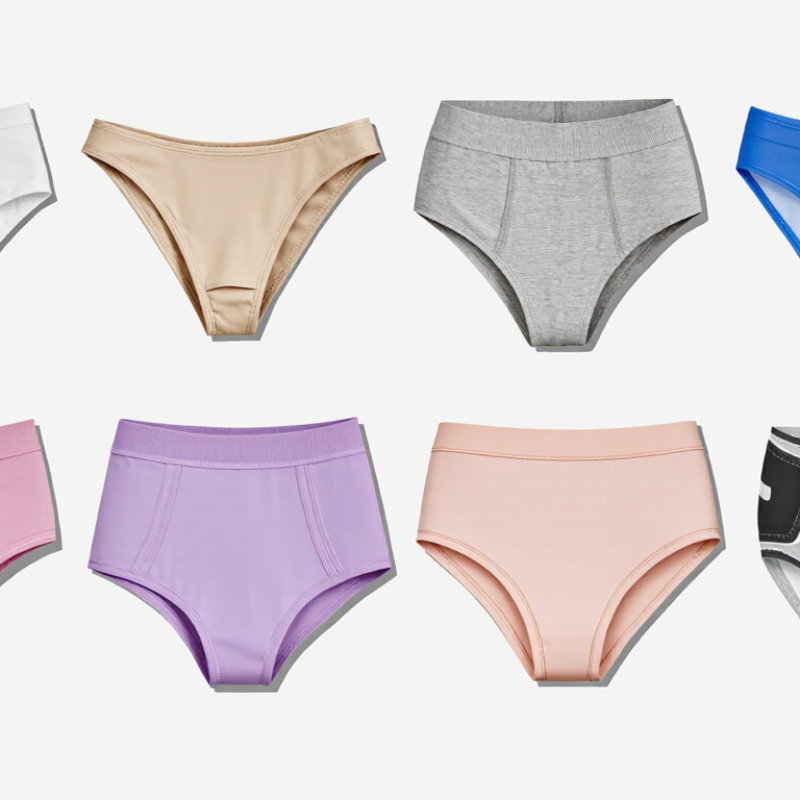
Understanding the Main Types of Women’s Panties
Women’s panties differ mainly by coverage, rise, and leg shape. Briefs sit near the natural waist and cover the hips fully. Bikini panties have lower sides and a moderate rise, making them practical under jeans. Hipsters rest across the hips, while boyshorts extend farther down the upper thigh.
Thongs and G-strings reduce visible lines, but their narrow fabric may feel less stable during movement. High-waisted styles reach above the navel and can feel secure beneath fitted dresses. Seamless panties use smooth edges, although they may roll when the size is wrong.
Fabric changes the experience.
Cotton can feel breathable during ordinary daily wear, while stretch fibers help panties keep their shape. Moisture and friction still matter.
A 2024 Textile Exchange report states that polyester represented about 57% of global fiber production in 2023, showing why synthetic blends are common in intimate apparel.
However, a popular material is not automatically the best choice for every body or climate. Fit deserves more attention than fashion.
Market evidence also shows strong demand.
Grand View Research valued the global lingerie market at approximately $91.7 billion in 2023 and expects continued growth through 2030. That expansion reflects wider choices, not one ideal panty type.
In practical testing, a waistband should lie flat, leg openings should not pinch, and the gusset should stay centered.
Small details matter.
I would not treat a size chart as perfect; bodies change, and different cuts from the same measurement can fit surprisingly differently.
Panty choice depends on coverage, rise, and how the garment behaves during movement. Coverage changes everything. Full-coverage briefs extend across the hips and provide reliable support for workdays or relaxed evenings. Bikini styles sit lower on the hips and leave more leg exposed. Hipsters offer a middle position, often pairing moderate coverage with a smoother waistline. Cheeky designs reveal more at the back, while thongs minimize visible lines under close-fitting clothing.
Rise affects comfort around the stomach and waist. High-rise panties reach near the natural waist and can feel secure beneath skirts or high-waisted trousers. Mid-rise styles usually balance support and freedom. Low-rise panties suit lower-cut bottoms, but their waistband may shift during sitting or bending. Fit is personal. A narrow waistband can dig into skin, even when the size appears correct. I used to choose by appearance alone, and that was a poor habit.
Design details also influence everyday wear. Seamless edges reduce lines beneath lightweight fabric, although they may not feel as breathable as traditional seams. Cotton gussets can improve moisture management, while lace panels add texture but may irritate sensitive skin. Stretch fibers help panties recover their shape after washing. Still, excessive stretch can weaken support over time. For daily use, check the waistband, leg openings, fabric weight, and care instructions. The prettiest style is not always the most practical one.
What Are the Top Types of Women’s Panty?
Choosing the right panty starts with body shape, comfort, and daily movement. Briefs offer fuller coverage and suit curvier hips or high-waisted trousers. High-waisted styles can smooth the lower abdomen, but tight elastic may feel restrictive after several hours. Hipsters sit lower on the waist and often work well for balanced proportions. Fit is personal. A size chart helps, yet body measurements can change during the day.
Bikinis provide moderate coverage for everyday wear, while boyshorts may reduce rubbing under skirts or loose pants. Thongs can minimize visible lines under fitted clothing, but they may not suit long commutes or sensitive skin. Movement changes everything. For exercise, breathable fabrics, secure seams, and moisture control matter more than appearance. The American College of Sports Medicine emphasizes moisture management and proper clothing fit during physical activity.
Industry data also supports comfort-focused choices. Grand View Research valued the global lingerie market at approximately 88.3 billion dollars in 2023, with continued growth expected through 2030. Cotton Incorporated’s 2023 Global Lifestyle Monitor identifies comfort as a leading apparel priority among consumers. These figures describe a large market, not a personal guarantee. I sometimes choose a seamless bikini for work, then regret it during humid weather. Fabric, cut, and waistband tension can matter more than the label or trend.
Choosing the Right Panty for Body Shape and Daily Activities
Scores use a practical five-point scale based on each style's typical construction, coverage, stability, and likelihood of showing under clothing. Briefs and boyshorts generally offer more coverage and stability, while thongs provide minimal visible lines under fitted clothes. Personal comfort, fabric, fit, and waistband placement can change the experience.
Choosing the best women’s panty starts with fabric, not decoration. Cotton remains a practical option because it feels breathable against skin and handles regular washing well. Cotton Incorporated’s 2023 Global Lifestyle Monitor reported that 73% of consumers prefer cotton-rich clothing. That preference makes sense for everyday briefs, bikinis, and hipsters. Modal and bamboo-based fabrics can feel softer, but softness alone does not guarantee comfort. Some blends trap heat. Fit matters.
Briefs provide fuller coverage and suit high-rise trousers. Bikinis sit lower on the hips and usually create fewer visible lines. Hipsters offer a middle position, while thongs reduce back coverage under close-fitting clothing. High-waisted styles may feel secure, yet a tight top edge can leave pressure marks after several hours. I have learned that comfort changes when sitting, walking, and bending. A fitting-room mirror misses that.
Look for smooth, flexible waistbands with covered elastic. A wide waistband can distribute pressure better than a narrow, rigid one. Leg openings should lie flat without digging into the crease. Textile Exchange’s Materials Market Report 2024 estimated global fiber production at 124 million tonnes in 2023, highlighting the scale of material choices. Still, “sustainable” fiber claims need careful checking. Certifications, fiber percentages, and care instructions matter. No fabric wins every day. Personal sensitivity, climate, activity, and garment fit should guide the final choice.
What Are the Top Types of Women's Panty?
Women’s panties come in many forms, including briefs, thongs, boyshorts, high-waisted styles, and seamless designs. Each fabric needs slightly different care. Cotton panties usually tolerate regular washing, but hot water can weaken elastic over time. Lace and microfiber styles need gentler handling because their fibers can snag or lose shape. Always check the care label before washing.
Tips: Wash delicate panties in cool water with mild detergent. Place them in a mesh laundry bag to reduce stretching and friction. Keep hooks, zippers, and rough towels away from lace. Air-dry panties flat or on a clean drying rack. Direct heat from a dryer may damage elastic. Avoid fabric softener when possible, since it can leave a coating on breathable fibers. Treat fresh stains with cold water, not hot water.
I used to dry every pair together, which saved time but shortened the life of several waistbands. That small habit changed my routine. Now, I separate delicate pieces and reshape them while damp. Panties should feel comfortable, not tight or scratchy. If the fabric stays damp, smells unusual, or shows damaged elastic, replace the garment. A perfect care routine is difficult, but consistent small steps make a clear difference.
| Panty Type | Coverage and Fit | Common Fabric Choices | Best Uses | Recommended Washing | Drying and Storage | Important Care Considerations |
|---|---|---|---|---|---|---|
| Briefs | Full front and back coverage with a waistband that usually sits at the natural waist or hips. | Cotton, cotton blends, microfiber, modal, and stretch lace. | Everyday wear, comfortable coverage, and use under relaxed or moderately fitted clothing. | Machine wash in cool or warm water according to the care label. Use a mild detergent and a mesh laundry bag for delicate trims. | Air-dry when possible. Keep folded in a dry, well-ventilated drawer. | Avoid excessive heat, which can weaken elastic fibers and cause shrinkage or loss of shape. |
| Bikini | Moderate front and back coverage with lower-cut sides and a waistband that generally rests below the waist. | Cotton jersey, microfiber, nylon blends, modal, and elastane blends. | Daily wear and pairing with mid-rise trousers, jeans, skirts, and dresses. | Wash with similar colors on a gentle or normal cycle, following the garment label. Do not use excessive detergent. | Line-dry or lay flat. Avoid storing while damp. | Choose a secure fit around the leg openings; overly tight edges may cause discomfort and fabric distortion. |
| Hipster | Moderate coverage with a low-to-mid-rise waistband and wider sides that sit around the hips. | Cotton blends, modal, microfiber, and stretch fabrics. | Low- or mid-rise clothing and everyday comfort with more side coverage than a bikini. | Machine wash on a gentle cycle in cool water. Place lace or mesh versions in a laundry bag. | Air-dry away from direct high heat and store flat or folded. | Check the waistband and leg seams regularly because repeated stretching can affect the fit. |
| High-Waisted Briefs | Full front and back coverage with a waistband that reaches the natural waist or above the hips. | Cotton, modal, microfiber, nylon, and supportive stretch blends. | High-rise outfits, additional midsection coverage, and comfortable everyday support. | Wash in cool or warm water as directed. Fasten any closures and avoid harsh bleach unless the label specifically permits it. | Air-dry to help preserve the waistband and stretch recovery. | Do not fold or roll the waistband tightly for long periods, as this may create permanent creasing or weaken elastic. |
| Boyshorts | Extended side panels and leg openings provide substantial coverage across the hips and seat. | Cotton jersey, modal, microfiber, bamboo-derived rayon, and stretch lace. | Lounging, sleeping, active movement, and wearing under looser clothing. | Use a gentle cycle and mild detergent. Wash separately from rough items such as towels or garments with exposed zippers. | Lay flat or hang by the waistband without stretching the fabric. | Longer leg openings may ride up during movement if the size or cut is not suitable. |
| Thong | Minimal back coverage with a narrow rear panel and usually low side coverage. | Microfiber, nylon-elastane blends, cotton-lined synthetics, and lace. | Fitted clothing where minimizing visible panty lines is a priority. | Hand-wash delicate versions or use a mesh bag on a gentle cycle. Rinse thoroughly to remove detergent residue. | Air-dry naturally; do not wring, twist, or tumble-dry on high heat. | Change regularly, especially after exercise or sweating. Select a comfortable fit that does not dig into the skin. |
| Seamless Panties | Designed with bonded, laser-cut, or minimized seams for a smooth appearance under clothing. | Microfiber, nylon, polyester, and elastane blends. | Leggings, fitted dresses, tailored trousers, and other close-fitting garments. | Wash inside out on a gentle cycle with cool water. Avoid fabric softener because it may reduce moisture-wicking performance and affect bonded edges. | Lay flat or hang to air-dry. Keep away from radiators and high-temperature dryers. | Avoid contact with rough surfaces, Velcro, and sharp accessories that can snag or damage smooth edges. |
| Period Panties | Coverage varies from bikini to high-waisted styles and includes an absorbent gusset designed for menstrual fluid. | Commonly cotton or moisture-wicking blends with layered absorbent and leak-resistant materials. | Menstrual protection, light bladder leakage, or use as a backup for other period products, depending on the garment’s stated absorbency. | Rinse in cold water until the water runs mostly clear, then machine wash according to the care label. Avoid bleach and fabric softener unless expressly allowed. | Air-dry completely before storing. Do not put away while damp. | Absorbency differs by design. Replace the garment when the fabric, odor control, elastic, or leak-resistant layer shows persistent deterioration. |
| Lace Panties | Coverage varies, but the garment typically includes decorative openwork fabric and delicate trims. | Nylon lace, polyester lace, cotton blends, and elastane. | Special occasions, styling, and everyday wear when a decorative finish is preferred. | Hand-wash in cool water or use a mesh bag on a delicate cycle. Use a mild detergent and avoid aggressive rubbing. | Lay flat on a clean towel or hang carefully. Do not wring or tumble-dry. | Keep away from rough garments and jewelry. Inspect lace edges and elastic for snags before each wash. |
General care note: Always follow the garment’s care label first, as fiber blends, dyes, elastic components, and absorbent layers may require different treatment. Replace underwear when it develops persistent odor, thinning fabric, damaged elastic, or an uncomfortable fit.
Common styles include briefs, bikinis, hipsters, boyshorts, thongs, G-strings, high-waisted panties, and seamless designs. Coverage and leg length vary.
Briefs usually cover the hips fully and sit near the natural waist. They can feel secure under high-waisted trousers.
Bikinis provide moderate coverage and lower sides. They often work well under jeans, skirts, and casual clothing.
Boyshorts extend over the upper thigh and may reduce rubbing. They can feel comfortable under loose pants or skirts.
Thongs can reduce visible lines beneath tight clothes. However, narrow fabric may feel unstable during movement or irritate sensitive skin.
Choose breathable fabric, secure seams, and comfortable moisture control. A waistband should stay flat without pressing painfully into the skin.
Cotton often feels breathable for daily wear. Still, climate, moisture, friction, and personal sensitivity matter more than popularity.
The waistband should lie flat, and leg openings should not pinch. The gusset should remain centered while walking or sitting.
No size chart is perfect. Bodies change during the day, and identical measurements can fit differently across various cuts.
Use cool water and mild detergent. A mesh bag limits stretching, while air-drying protects elastic from direct heat. I once ignored this and regretted it.
Choosing the right Women's Panty starts with understanding the variety of styles available, including briefs, bikinis, hipsters, thongs, boyshorts, and high-waisted designs. Each style offers a different level of coverage, rise, and visual appeal, making it suitable for specific outfits, body shapes, and daily activities. Full-coverage options can provide extra support and comfort, while lower-rise or minimal designs may work better under fitted clothing. Consider your personal preferences, movement needs, and the fit around the waist and legs when selecting a style.
Fabric and construction also play an important role in everyday comfort. Breathable materials, smooth seams, flexible waistbands, and a secure but gentle fit can help reduce irritation. For long-term use, wash panties according to their fabric requirements, avoid overly harsh detergents, and dry them properly to help preserve their shape, softness, and elasticity. With thoughtful selection and care, every Women's Panty can offer comfort, confidence, and practical support.